
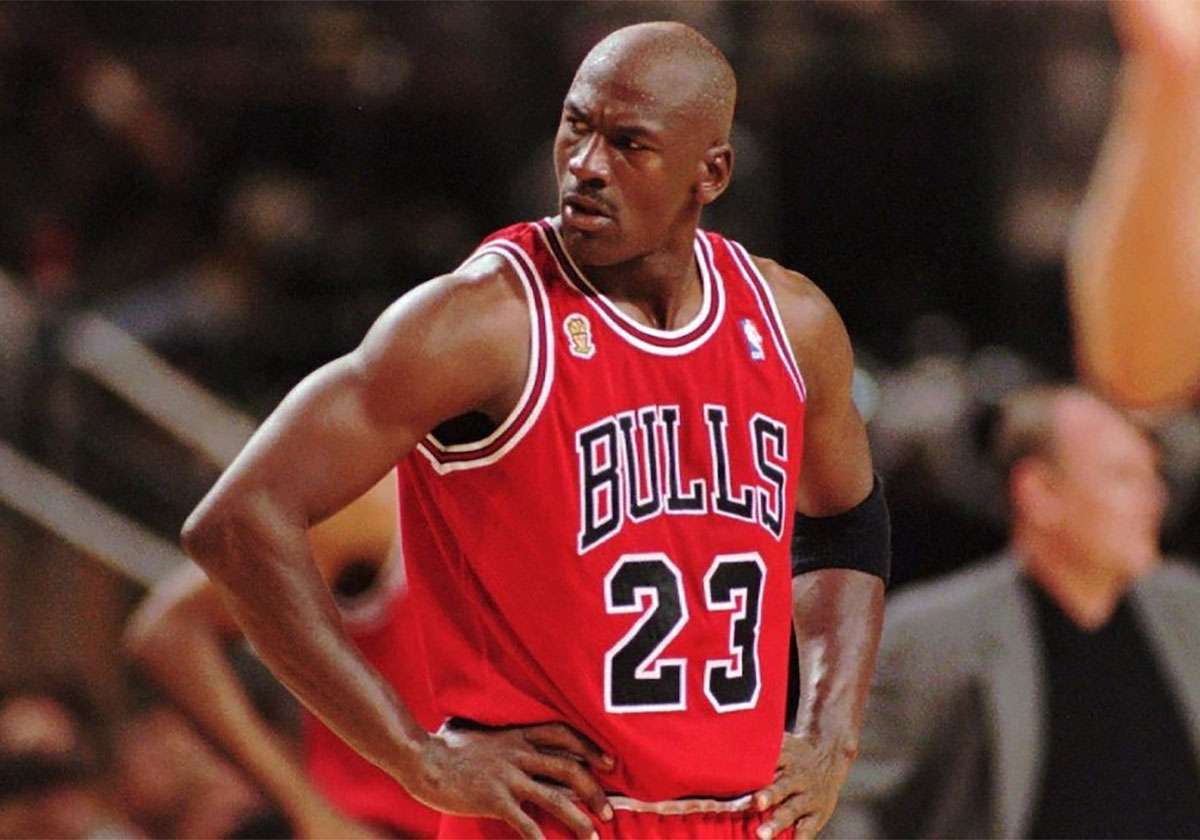
The Saturday-morning wall of marked-down retros was never the plan. On Thursday, Oct. 1, Nike's CEO said so to investors.
## What Hill said On Nike's first-quarter fiscal 2027 earnings call, Elliott Hill put it in one sentence, per Sneaker Freaker's call breakdown: "With Jordan Brand footwear, we're going to get back to leading the scarcity model that we created. Simply put, we've been oversupplying our iconic retro product, asking them to do too much." Then the operating line: "As we've done with the Air Jordan 1, we will deliberately reduce the volume and frequency of specific Jordan retro launches." He wants the Jumpman to "feel special, it should feel earned," and said every decision is meant to keep Jordan Brand "as coveted a decade from now as it has been for the past several decades." No start date was given; Hypebeast and Sole Retriever both expect it to land in 2027.
## The numbers Sole Retriever did the count: from October 2025 through September 2026, Jordan Brand averaged 10 retro releases a month, with 19 in February 2026 alone around All-Star Weekend. Buying all 19 at retail would have cost about $3,900 even after you strip out the $1,005 Swarovski pair. The Air Jordan 1 High is the template Hill cited: 20 retro colorways in 2021, 15 in 2025, 12 in 2026, and only seven inline pairs once you remove the Union x fragment trio, Swarovski and the Virgil Abloh Archives "Alaska."
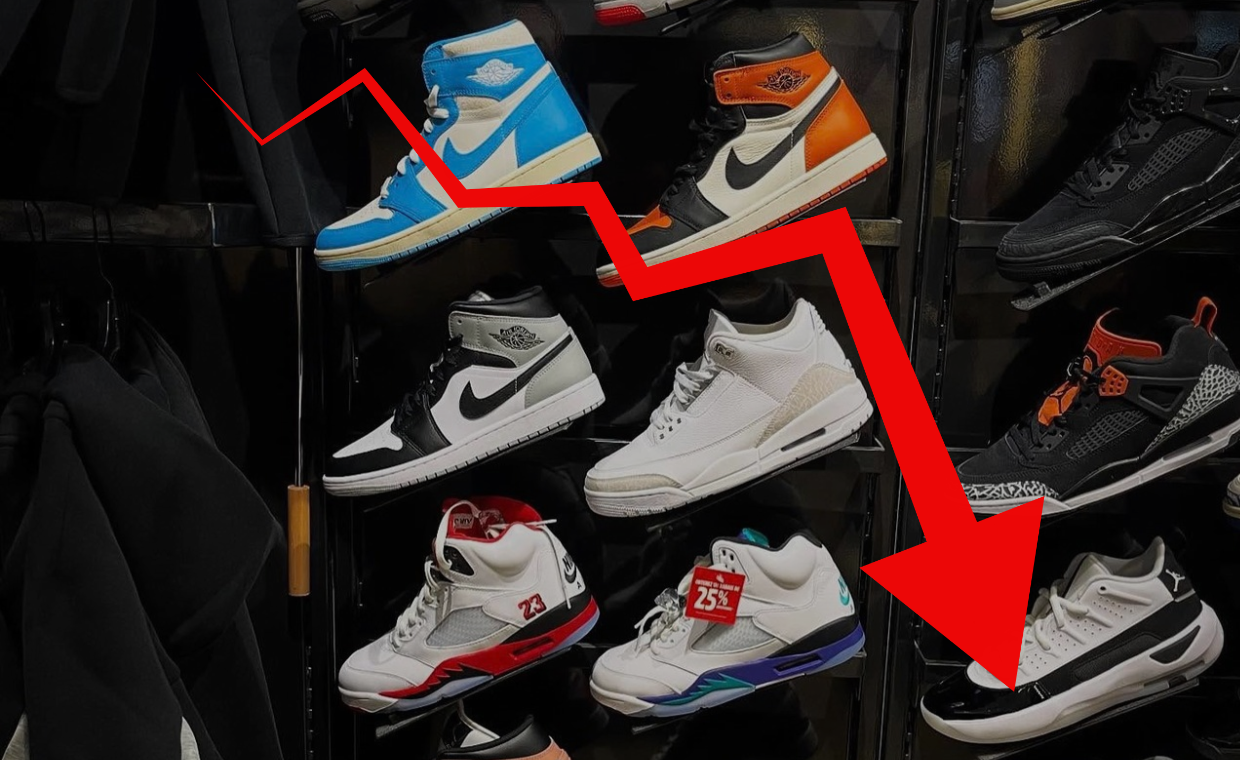
## The rest of the call Quarterly revenue was $11.2 billion, down 4 percent, with China the main drag, per Sneaker Freaker. Hill said Sportswear has "a lack of energy in the lifestyle space right now," and Nike is restructuring under a plan it calls "pace," with "fewer roles" coming. Sole Retriever notes the stock is down more than 75 percent from its 2021 peak and the company was dropped from the S&P 100. Jordan Brand got named alongside Sportswear and China as the three things to fix.
## What Sneaker News adds John Kim's editorial is the sharpest read of the week. His argument: Jordan has been spending its archive. "Nostalgia, as it turns out, is a finite resource. Every time Jordan Brand re-releases a 'grail,' it spends some of it, and it can't really be recovered." And a warning that scarcity by itself isn't the fix: the brand could keep the same number of colorways and simply make fewer pairs, "producing closer to actual demand," which would also leave room for better materials.
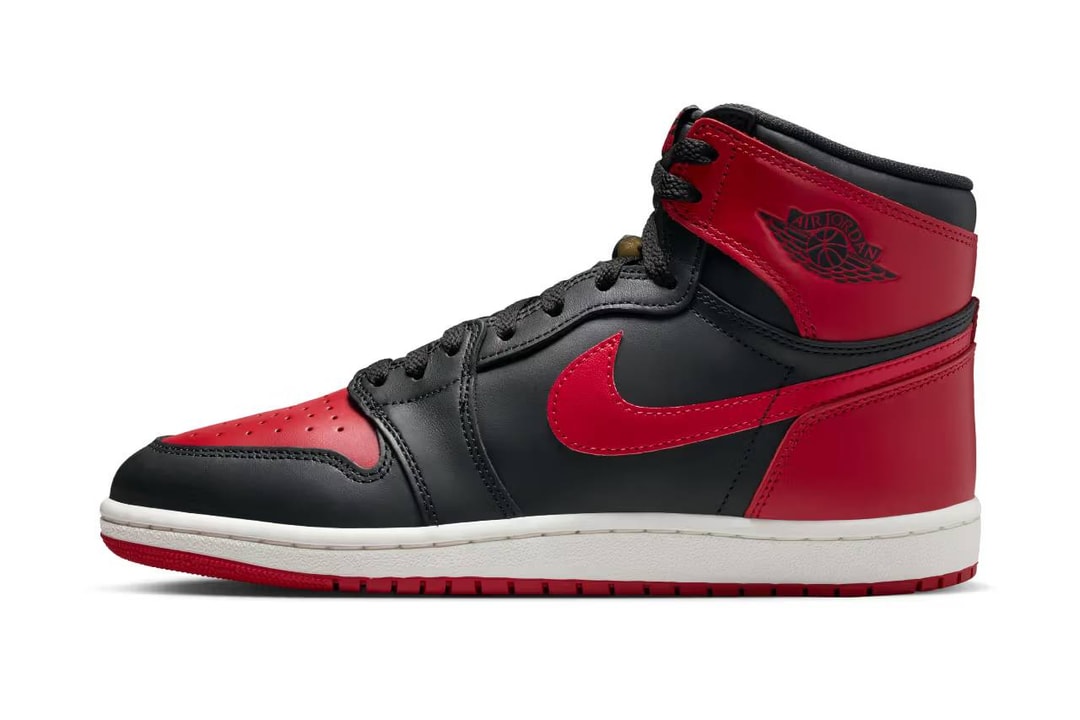
## What it means for you Short term, nothing: the Holiday 2026 calendar is printed, with the Bred 4, the Space Jam 11 and the Fireside 12 still on it. Medium term, the discount era is ending by design. Fewer pairs means the pair you want is harder to get at retail, which is how the brand says it wants it. The Jumpman built its mythology on empty shelves; it is choosing them again, on purpose.
## The cultural read Scarcity is a pricing tool, and the people who feel it first are the people who buy at retail, not the ones flipping at a premium. We've written about who actually makes the money on a drop. A tighter supply restores the aura and the resale spread at the same time. That's the deal Nike is offering: the shoe matters again, and it costs more to care.
## Sources - Sneaker Freaker, Oct. 2, 2026: Less Jordan retros, more restructuring, Nike's earnings call explained - Sneaker News, Oct. 1, 2026: Air Jordan retro releases will decrease in 2027 - Sole Retriever, Oct. 1, 2026: Nike announces Jordan retros will be more scarce going forward - Hypebeast, Oct. 1, 2026: Nike to limit Air Jordan retro supply moving forward - Sneaker Bar Detroit, Oct. 1, 2026: Jordan Brand is pulling back on retro releases in 2027
Built for the culture. Operated by PHRHX through Sneakz & Beatz LLC. Black-owned, four pillars: sneakers, hip-hop, anime, gaming.